K9 Electronics.com » Dog Training Collar Buying Guide
Dog Training Collar Buying Guide

Dog Training Collar Buying Guide

Once you understand your needs, you'll be able to buy a collar that will do what you want it to do. With the help of the correct remote collar, it's possible to train a dog to do nearly anything. However, while there are some collar systems that work best when teaching basic obedience commands in the backyard, there are also systems that work best for field training or hunting. There are also remote training collars that make it easier to work with more than one dog, or with a blind or deaf dog. By fully understanding your training needs, you'll find it easier to know which electronic collar features are likely to be most important to look for in your particular case.


What are Your Remote Trainer Choices?

Since there are many shock collars for dogs on the market from which to choose, selecting the right one can sometimes seem to be a daunting and confusing task. This guide has been designed to explain the various features and functionality of the different collar system types, as well as to point out some of the important features and issues surrounding these collars in general. Once you have a good idea of what you wish to accomplish through the use of a remote training collar, you can use this guide to help you find the type of system that will work best for you and your dog.

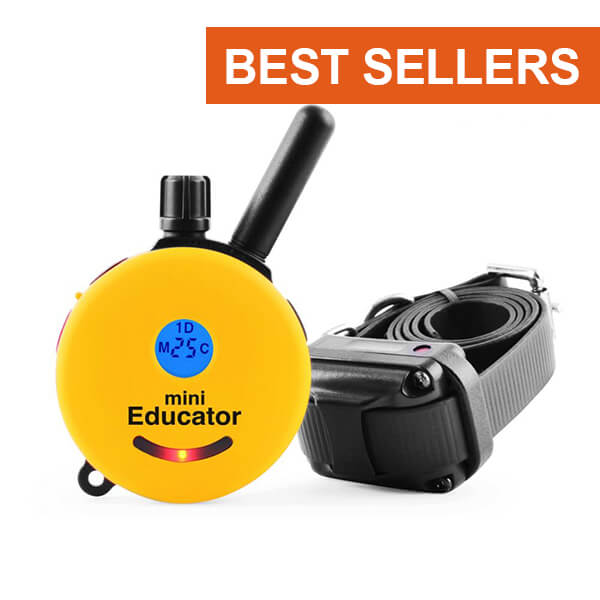
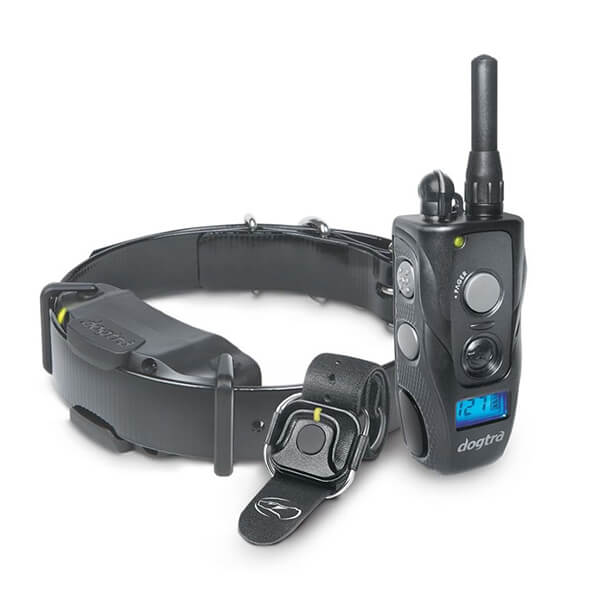
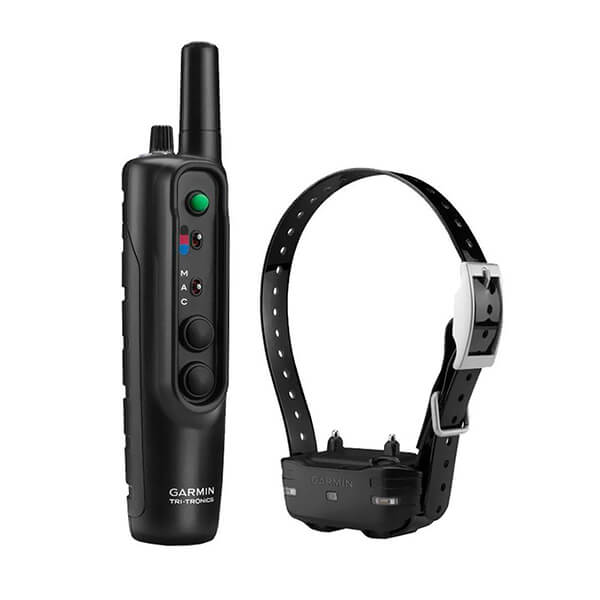
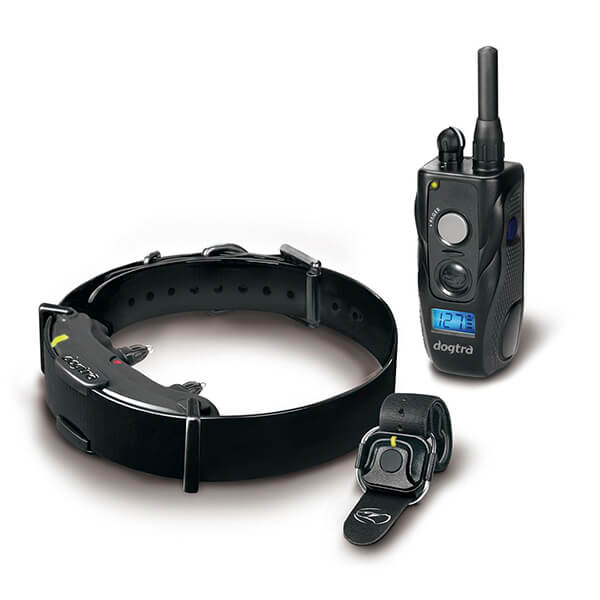
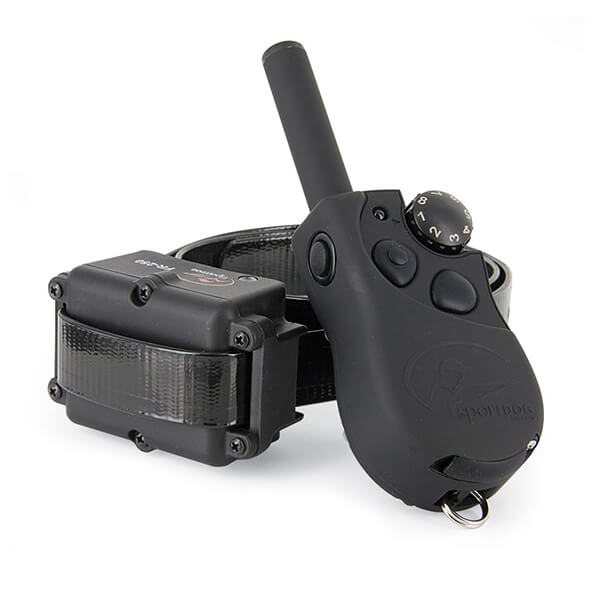
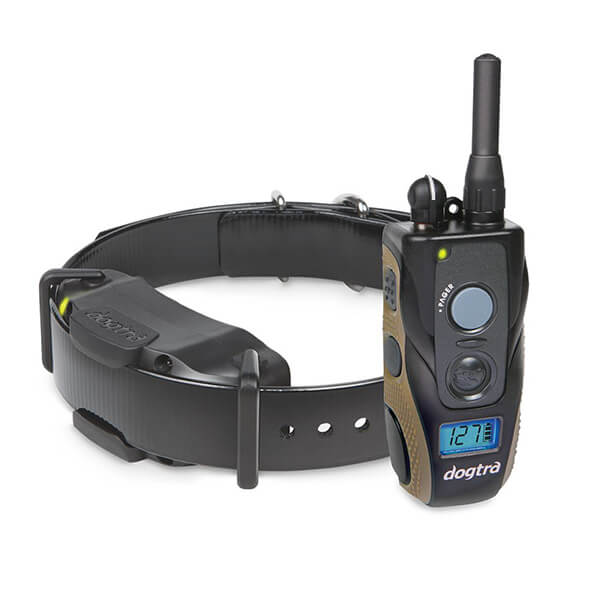
There are a number of different collar manufacturers from which to choose, all of whom make a number of different models and types of remote training collars. When looking for a quality remote collar system, several manufacturers immediately come to mind, such as DogtraTri-TronicsSportdogPetsafeInnotek and DT Systems. All of these manufacturers provide a wide variety of different training collar systems, each designed to meet a particular need.


Understanding the Choices

Remote collars are designed to work in a number of different ways, any one of which may or may not be right for you and your dog. Many of the most popular collars on the market today use electronic shock corrections in order to achieve good training results. These collar systems are adjustable, humane, effective and easy to use, which are just a few of the many reasons why they are so popular. However, there are also alternatives to shock training collars, such as vibration-only collars and collars that combine vibration and electronic shock corrections. There are also ultrasonic dog training systems, which work by means of sound signals that dogs can hear. Remote spray collars are also an option for those who prefer not to use electronic shock corrections. When deciding between these various options, it's important to understand the various features as well as the situations where the correction method might work best.

Understanding Your Dog's Needs

In addition to understanding your training needs, it's also important to take the dog's size, temperament, age and level of experience into consideration. For example, an electronic shock collar might be the only effective choice for a stubborn or difficult to train dog. However, even a mild electronic shock correction might be too much for a small toy breed dog, or a dog that is particularly sensitive or which has been abused in the past. In many cases, older dogs or those that have already achieved a certain training level respond well to milder electronic corrections or even training collar systems that use other methods of correction such as vibration, spray or sound.

In order to help you determine which style of remote training collar is right for you and your dog, here is a review of the various types that are currently available:

Ready to Buy? Head on over to our dog training collars page and use our new product filter to find the perfect collar for you and your dog. You can filter by Brand, Type, Dog Size, Price, Range and different features that you like.

Shock Collars

Subcategories: Info, Blogs, Articles


Dog Training Collar Buying Guide Entries


Dog Training Collars Buying Guide - Intro
Category: Dog Training Collar Buying Guide
Posted: 12-27-2011 00:29
Views: 1535
Comments: 0

Dog training collars can be used as a highly effective, safe and cost-efficient tool when training your dog. However, before purchasing a remote training collar, it's important to fully understand your training requirements as well as the personal characteristics and needs of your dog.


Shock Collar - DTC2
Shock Collar - DTC2
Category: Dog Training Collar Buying Guide
Posted: 12-27-2011 00:27
Views: 1767
Comments: 0

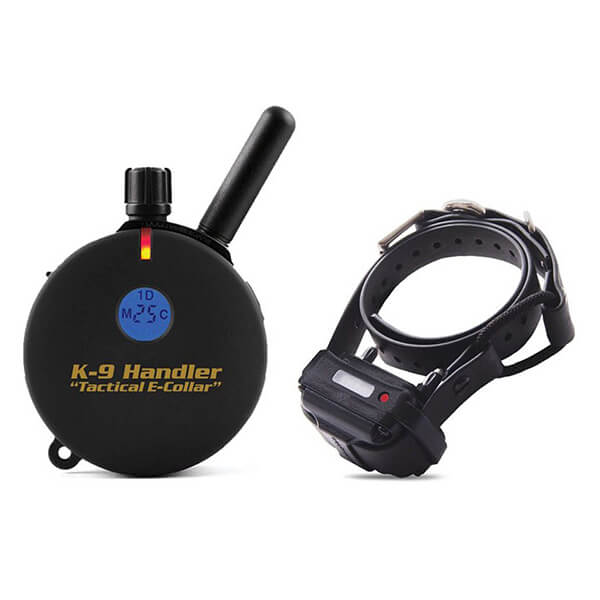
Shock collars are frequently a top choice when training a dog. These collars are often referred to by a number of different names, such as remote training collars, electronic collars, or e-collars. These training collars are designed to administer an electronic stimulation to the dog when he or she is wearing the collar, in the form of a static pulse.


Remote Spray Collars - DTC3
Category: Dog Training Collar Buying Guide
Posted: 12-27-2011 00:26
Views: 1460
Comments: 0

Remote spray collars are a great choice for pet owners who do not wish to use electronic shock stimulation when training their dog. They are often used with toy dogs or sensitive dogs that would become overly stressed by the use of other kinds of electronic collars.


Ultrasonic Remote Training Collars - DTC4
Category: Dog Training Collar Buying Guide
Posted: 12-27-2011 00:25
Views: 1298
Comments: 0

Ultrasonic dog training collars and training devices are a great choice for sensitive pets. Although they can be quite effective when used with any dog, they are a particular good choice for the tiny dog that might be too small for other kinds of electronic collars or correction systems.


Vibration Training Collars - DTC5
Category: Dog Training Collar Buying Guide
Posted: 12-27-2011 00:24
Views: 1437
Comments: 0

Vibration training collars can be the perfect choice when training a dog that is a bit more sensitive. An ultra-sensitive pet might become frightened, stressed, alarmed or confused by an electronic shock collar. However, the vibrating sensations produced by these collars are gentler and more easily tolerated by sensitive or mild tempered dogs.


Training Multiple Dogs? - DTC6
Category: Dog Training Collar Buying Guide
Posted: 12-27-2011 00:23
Views: 479
Comments: 0

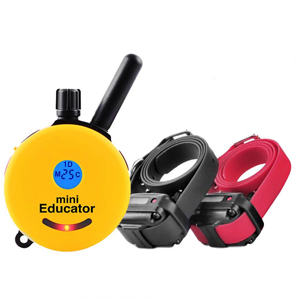
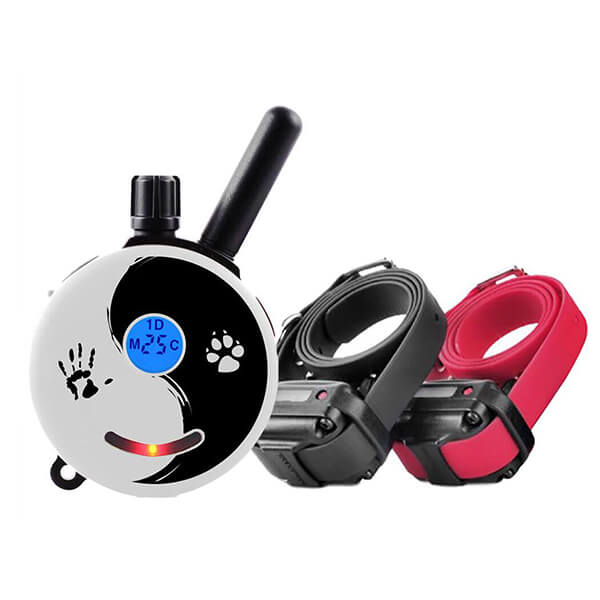
If you frequently work more than one dog at a time, it can be quite inconvenient to use a separate receiver collar and transmitter unit combination for each individual dog. Fortunately, there are training collar systems available that allow you to use one transmitter with multiple dogs.


Shock Collar Static Correction Choices - DTC7
Category: Dog Training Collar Buying Guide
Posted: 12-27-2011 00:22
Views: 1172
Comments: 0

When choosing an electronic dog training collar, a variety of static correction choices that are available. Shock collars are designed to administer static corrections, but some systems provide a wider array of correction levels within the high-low range than others. One electric dog collar might only provide two levels, but another might offer over a hundred.


Remote Collar Transmitter Range Choices - DTC8
Category: Dog Training Collar Buying Guide
Posted: 12-27-2011 00:21
Views: 1041
Comments: 0

Range is a very important factor to consider when choosing a remote training collar. Whether you are simply conducting an obedience training session with one dog in your backyard or working with multiple hunting dogs in the field, the remote transmitter must remain within the proper distance from the dog's receiver collar.


Remote dog Collar Transmitter Features - DTC9
Category: Dog Training Collar Buying Guide
Posted: 12-27-2011 00:20
Views: 1153
Comments: 0

Remote dog collar transmitters have many different control mechanisms. Some transmitters are designed with dials, others have toggle switches, buttons, or LCD screens. Transmitters designed to control more than one collar, usually have separate buttons or a toggle switch for each dog.


Choosing Between Long and Short Probes - DTC10
Category: Dog Training Collar Buying Guide
Posted: 12-27-2011 00:18
Views: 1030
Comments: 0

When choosing a collar probe length, the dog's coat is the most important determining factor. In most cases, dog breeds that have shorter coats require short probes. This includes breeds such as beagles, hounds, English pointers, and other dogs that have a similar length and thickness of coat.


Paypal
bbb accredited business
5 reasons to shop at k9electronics.com
Free Ground shipping
Authorize.net
Paypal
Google Checkout