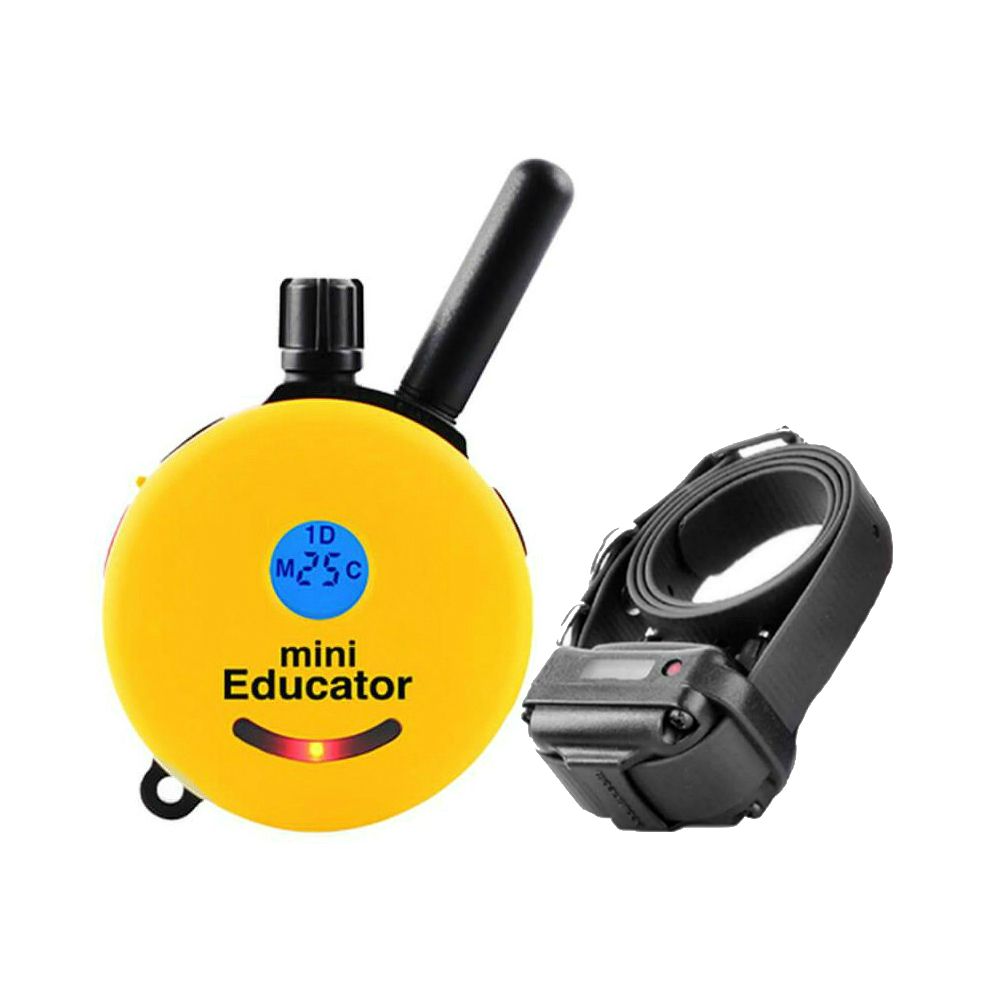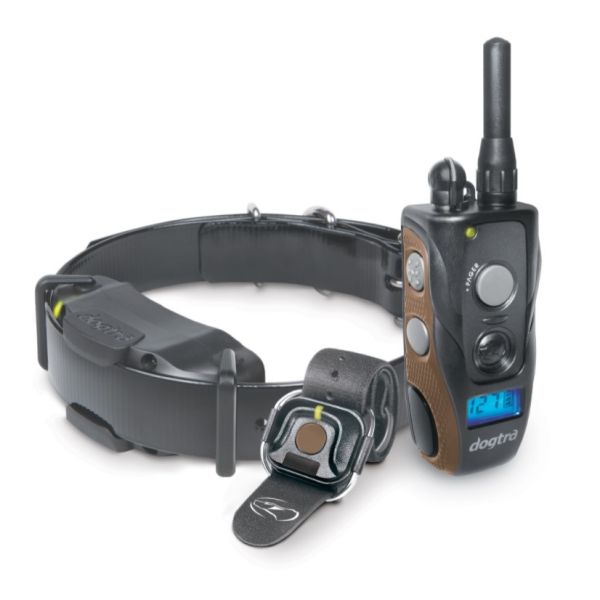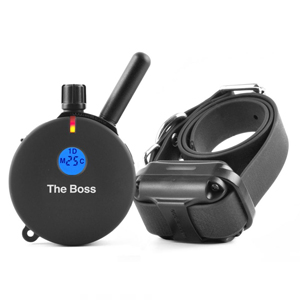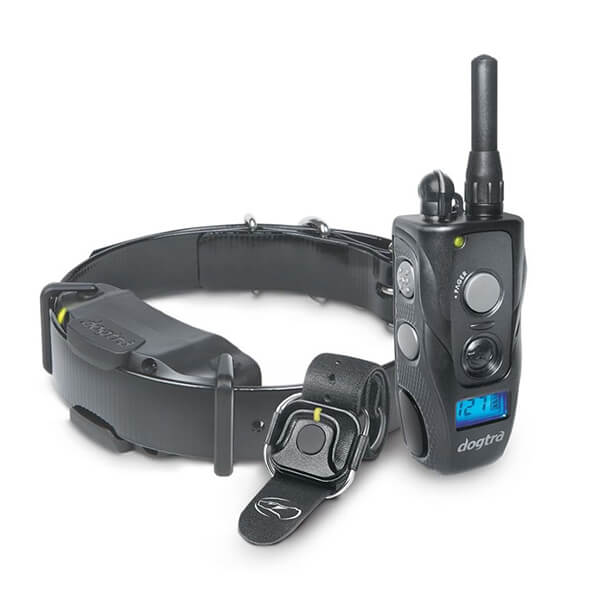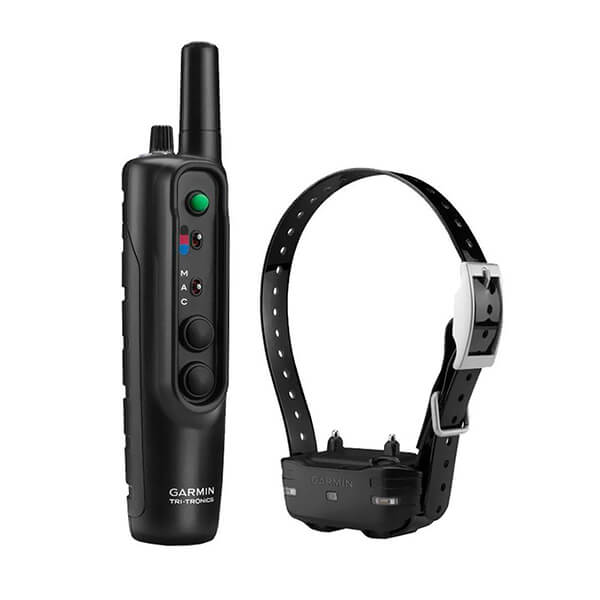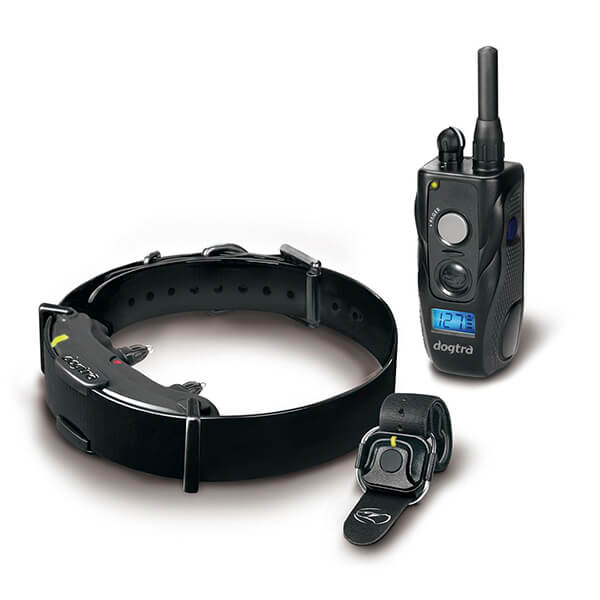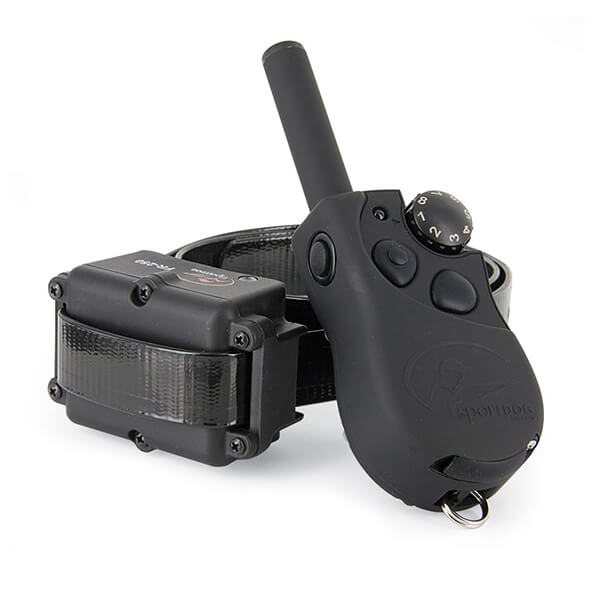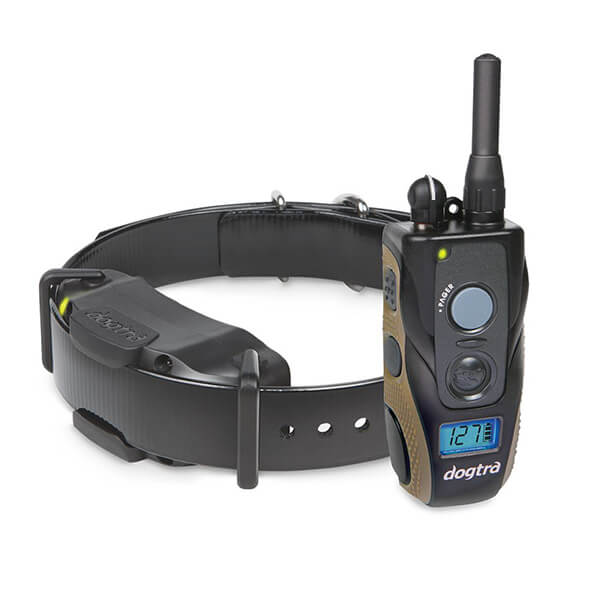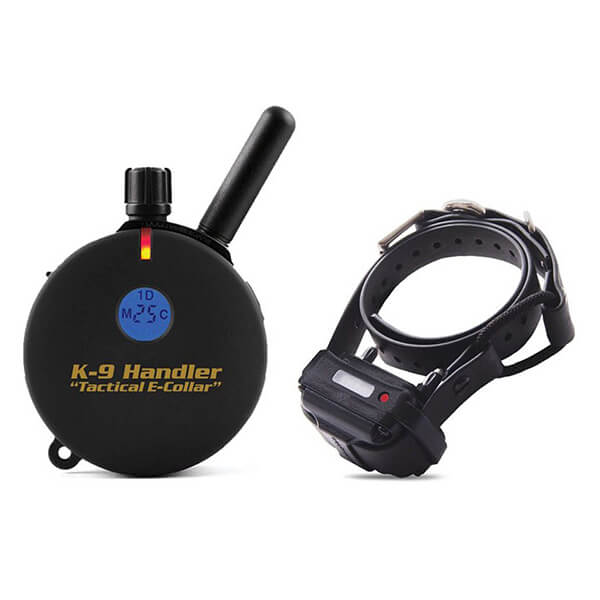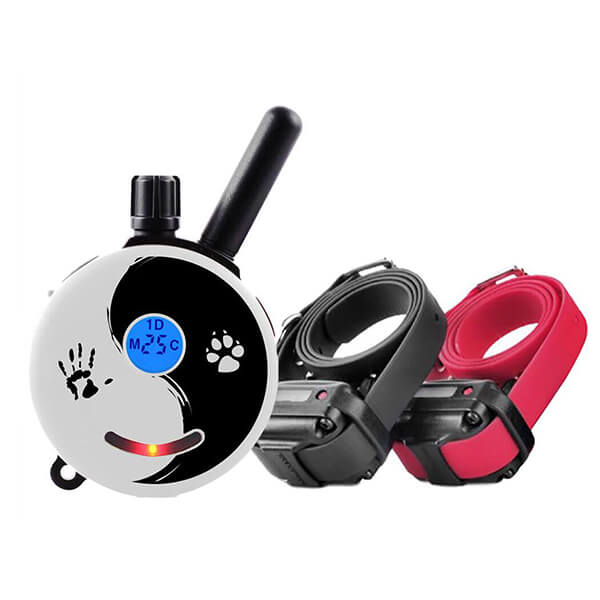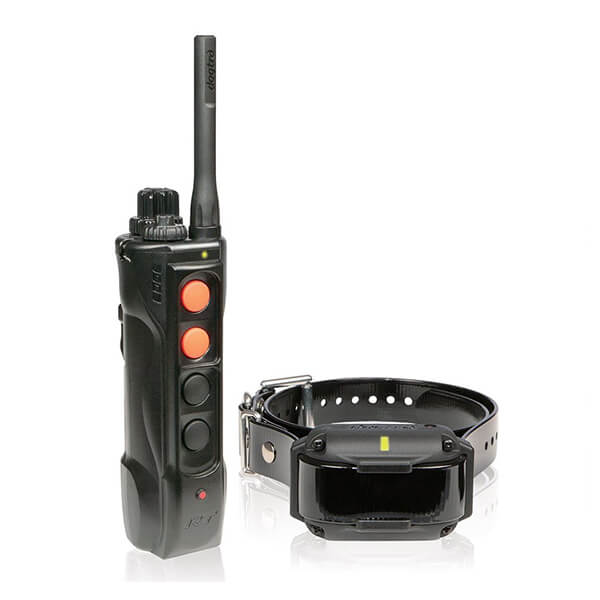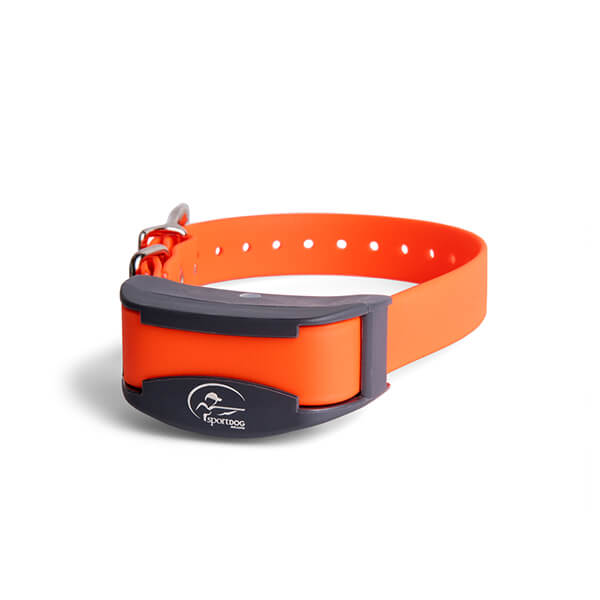
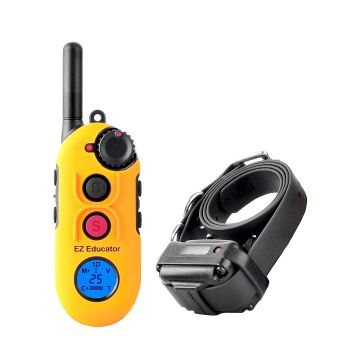
Exasperated owners of large and unruly dogs will often try anything to keep their pet under control, but one of their best options is a
dog training collar. These remote-controlled collars emit a light corrective "static" shock when your animal behaves badly, immediately linking the behavior and negative response in their mind. Designed to train humanely and without the application of brute force, they help the dog differentiate between good and bad behaviors quickly and without confusion. Since the collars require no brute force from the owner, they're ideal for women or the elderly who have little hope of physically intimidating their oversized canine.
Primary benefits of electric training collars include the immediate, unequivocal correction they provide: there need be no delay in your response, no mixed messages. Though considered inhumane by some,
training collars actually equate to about a carpet-in-cold-weather voltage; the strength of some can be dialed up or down. Begin with a light correction, and only increase if your pet isn't responding. Shocks should only be administered through the collar as your dog actively engages in bad or dangerous behavior, since dogs aren't capable of connecting delayed punishment with an earlier action.
Dog training collars help teach all the basics: sit, stay, and heel. Instead of pulling and dragging your dog down a street filled with temptations and distractions, employ a unit to silently and easily correct his behavior.
Dog training collars are meant for temporary use, as a means of training your pet in the basics. Once your dog can distinguish between good and bad behaviors, and abstains from bad ones even when you're not present, it's time to move to another type of collar for the refinement and reinforcement of the initial training.
The more forceful, non-electric collar is a pinch collar, which employs metal prongs that, when properly used, will certainly dissuade your dog from whatever it was doing when you snapped the leash. It's important to be trained in the proper usage of this type of unit, as it can damage the animal's neck, and it does require some strength on the owner's part. The other training collar option is a choke collar, which is smooth, but increases pressure on the dog's neck relative to his pulling against your leash. Neither pinch nor choke units should ever be left on an animal when it's alone, or anywhere but on an attended leash, as the links can entangle and strangle the dog.
Talk with your veterinarian or breeder about collars, their uses, and their benefits. All dogs require the constant, gentle correction of a collar while they're young to ingrain the positive behavior they'll display throughout their lives. While it's not always easy to enforce the rules, it's necessary, and units ensure your messages are clear and immediate. Far from being inhumane, they can actually shorten the time you spend training, and more importantly, the time you spend cleaning up and chasing after your dog.